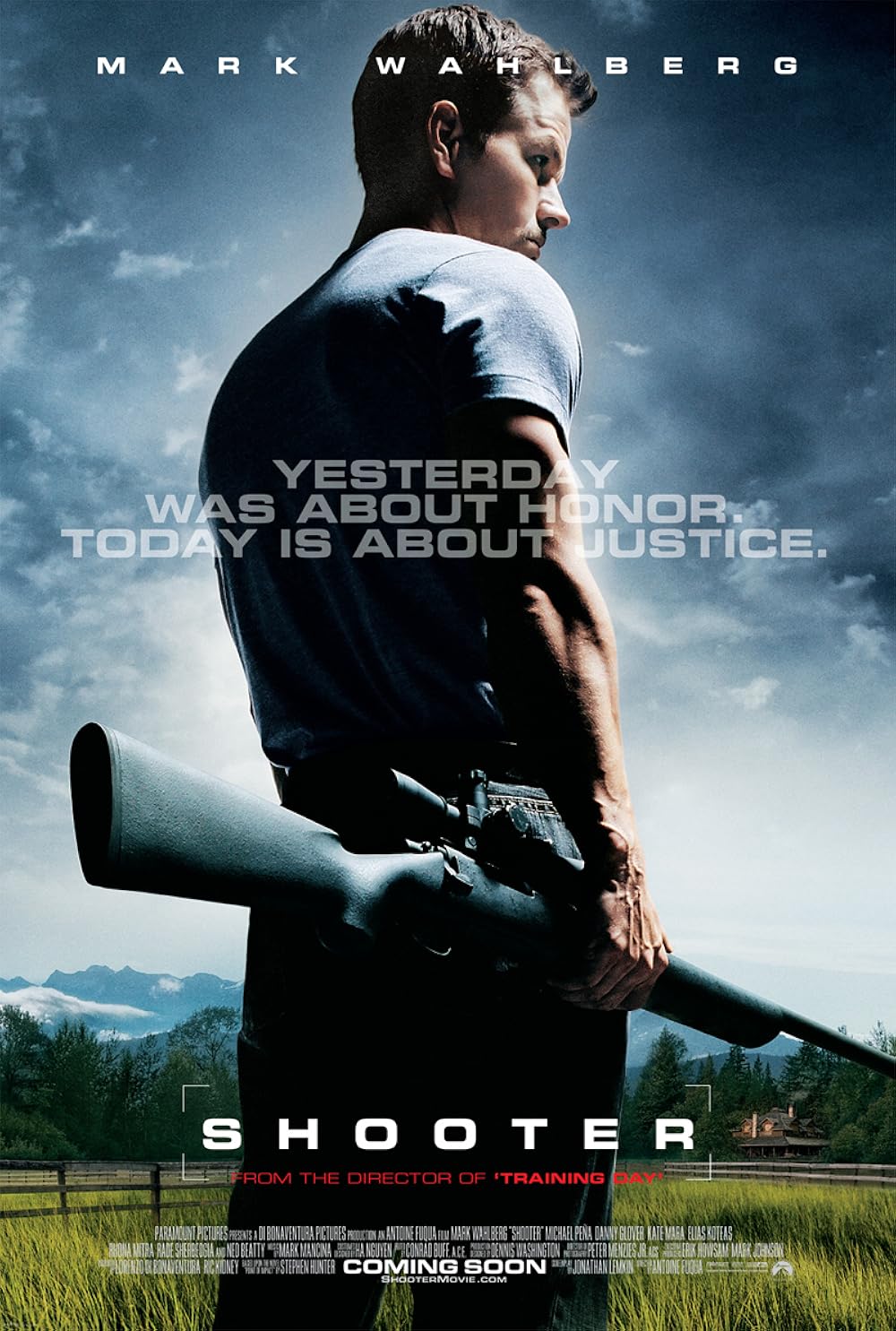
When the Trigger Finger Rests: Understanding Bob Lee Swagger's Exile
In the high-stakes world of elite military operations, few figures are as legendary and as lethal as a top-tier sniper. Yet, even the most formidable operators can find themselves at a crossroads, forced to abandon the life they once knew. This dramatic shift, often colloquially described as when a shooter geht offline, forms the compelling backbone of the 2007 film Shooter, starring Mark Wahlberg as the iconic Bob Lee Swagger. But what does it truly mean for a highly trained individual to disconnect from their past, and what circumstances could drive such a withdrawal? Swagger's journey from a decorated military asset to a forgotten recluse living off the grid offers a profound exploration of betrayal, solitude, and the enduring spirit of a warrior.
The concept of a "shooter going offline" isn't merely about physical isolation; it's a deep, psychological severance from the very system one once served. It encompasses the abandonment of a mission, the shedding of an identity, and the pursuit of a peace that combat could never offer. Swagger's story is a powerful illustration of this phenomenon, charting a course from the dust-choked battlefields of Ethiopia to the serene, yet solitary, peaks of the American mountains.
The Precipice of Betrayal: When a Sniper's Duty Ends Abruptly
The genesis of Bob Lee Swagger's decision to go offline is rooted in a brutal act of betrayal. The film opens by showcasing his unparalleled skill, positioned with his scout, Donny Fenn, in the harsh Ethiopian landscape. Their mission: provide covering fire for a US convoy. Swagger executes his task with chilling precision, neutralizing threats with single, decisive shots. Yet, the mission quickly devolves into a nightmare. As hostile militia swarm, Swagger and Donny find themselves under heavy fire, their position compromised. The critical turning point arrives when their commanding officer, prioritizing geopolitical discretion over the lives of his men, effectively abandons them, leaving them for dead in enemy territory. This ruthless decision leads directly to Donny's tragic death, a moment that shatters Swagger's faith in the system he once upheld.
Left alone, surrounded by enemies, and watching his friend die, Swagger fights back with a vengeance, downing an enemy helicopter with a powerful Barret .50 caliber rifle. This act of survival, however, is not a victory but a catalyst for profound disillusionment. The realization that his life, and the lives of those he protected, were deemed expendable by those at the top creates an irreparable rift. It’s here that the seeds of his future as a recluse are sown. The price of his service, and the devastating consequences of being abandoned, become the driving force behind his retreat. For more on this critical juncture, explore Abandoned and Offline: The Price of a Sniper's Service.
Embracing the Wilderness: The Anatomy of a Recluse's Retreat
Three years after the Ethiopia incident, Bob Lee Swagger has fully embraced his new reality. He is no longer the clean-cut, highly disciplined sniper of the US Special Forces. Instead, we find him in a secluded cabin in the remote mountains, unshaven, long-haired, and living a life entirely detached from modern society. This is the literal embodiment of when a shooter geht offline. His only companion is his loyal dog, a well-trained animal that even fetches him a cold beer from the fridge – a touch of dark humor in an otherwise somber existence. Swagger's cabin is not just a dwelling; it's a fortress of solitude, a sanctuary from a world that betrayed him. He has meticulously removed himself from surveillance, from communication networks, and from the expectations of society.
This self-imposed exile is more than just a lifestyle choice; it's a coping mechanism. The trauma of losing Donny, coupled with the profound betrayal by his superiors, has made trust an impossible commodity. Living off the land, honing his survival skills for personal autonomy rather than military objectives, Swagger attempts to find peace in isolation. He meticulously maintains his weaponry, not for combat, but for a sense of control and preparedness. His retreat is a testament to the deep scars left by his past, a stark contrast to the bustling, interconnected world he has chosen to leave behind. His ability to adapt, to thrive in harsh conditions, and to find a semblance of routine underscores the incredible resilience of a trained operator, even one who has turned their back on their former life.
More Than Just Solitude: The Enduring Skills of a Disengaged Operator
While Bob Lee Swagger has gone offline, the skills that made him an elite sniper remain intrinsically a part of him. His retreat into the wilderness isn't an abandonment of his capabilities, but rather a repurposing of them. He maintains an encyclopedic knowledge of ballistics, topography, and surveillance countermeasures. His marksmanship, though no longer aimed at enemy combatants, is honed through target practice and an intimate understanding of his environment. This deep well of practical knowledge and instinct is what makes his "offline" state so compelling and, ultimately, so dangerous to anyone who might seek him out.
Consider the practical aspects of such a transition: a person with Swagger’s background possesses a unique set of abilities that translate directly to self-sufficiency. From understanding terrain for optimal positioning to recognizing patterns of behavior in a remote area, his training continues to inform his daily existence. Even in solitude, the tactical mindset persists, albeit directed towards personal security and resource management rather than strategic military objectives. This adaptation highlights a critical point: while a shooter geht offline from the system, their core competencies are ingrained and often become the foundation for their new, independent life. It's a testament to the profound impact of military training, shaping not just a soldier's actions but their very being.
The Inevitable Pull Back: Why Some Shooters Can't Stay Offline
Despite Swagger's fervent desire to remain a recluse, the world he tried to escape inevitably finds its way back to him. His past, his reputation, and his unique skills prove too valuable for shadowy forces to ignore. The narrative of Shooter takes a dramatic turn when he is reluctantly drawn back into action, framed for an assassination he was supposedly preventing. This re-engagement, though forced, underscores a fundamental truth: for some, the label of "shooter" is not easily shed, even when they go offline.
Swagger's initial reluctance to re-enter the fray, his deep-seated distrust of authority, and his desire to protect his hard-won peace are all powerful reminders of why he went offline in the first place. Yet, his innate sense of justice, coupled with the threat to innocent lives (like Sarah and Memphis), compels him to act. It's a complex dynamic, showcasing that while an individual might choose to disconnect, the call to use their extraordinary abilities, especially against injustice, can be an irresistible force. His journey back into the world of espionage and conflict, albeit on his own terms, reveals that sometimes, even after going offline, a true "shooter" will always be ready to defend what is right. To delve deeper into the transformation from active duty to solitary living, read From Elite Sniper to Mountain Recluse: Swagger's Retreat.
Bob Lee Swagger's narrative in Shooter is a powerful exploration of the consequences of betrayal and the profound impact of a life in service. His decision to go offline, to become a mountain recluse, is a poignant commentary on the cost of war and the challenges faced by those who bear its heaviest burdens. The phrase shooter geht offline becomes more than just a literal description; it symbolizes the profound, often painful, journey of an individual seeking peace and autonomy in a world that consistently tries to pull them back into the fight. Swagger's story resonates because it taps into universal themes of justice, survival, and the enduring human spirit, proving that even in self-imposed exile, the echoes of a warrior's past can never truly be silenced.