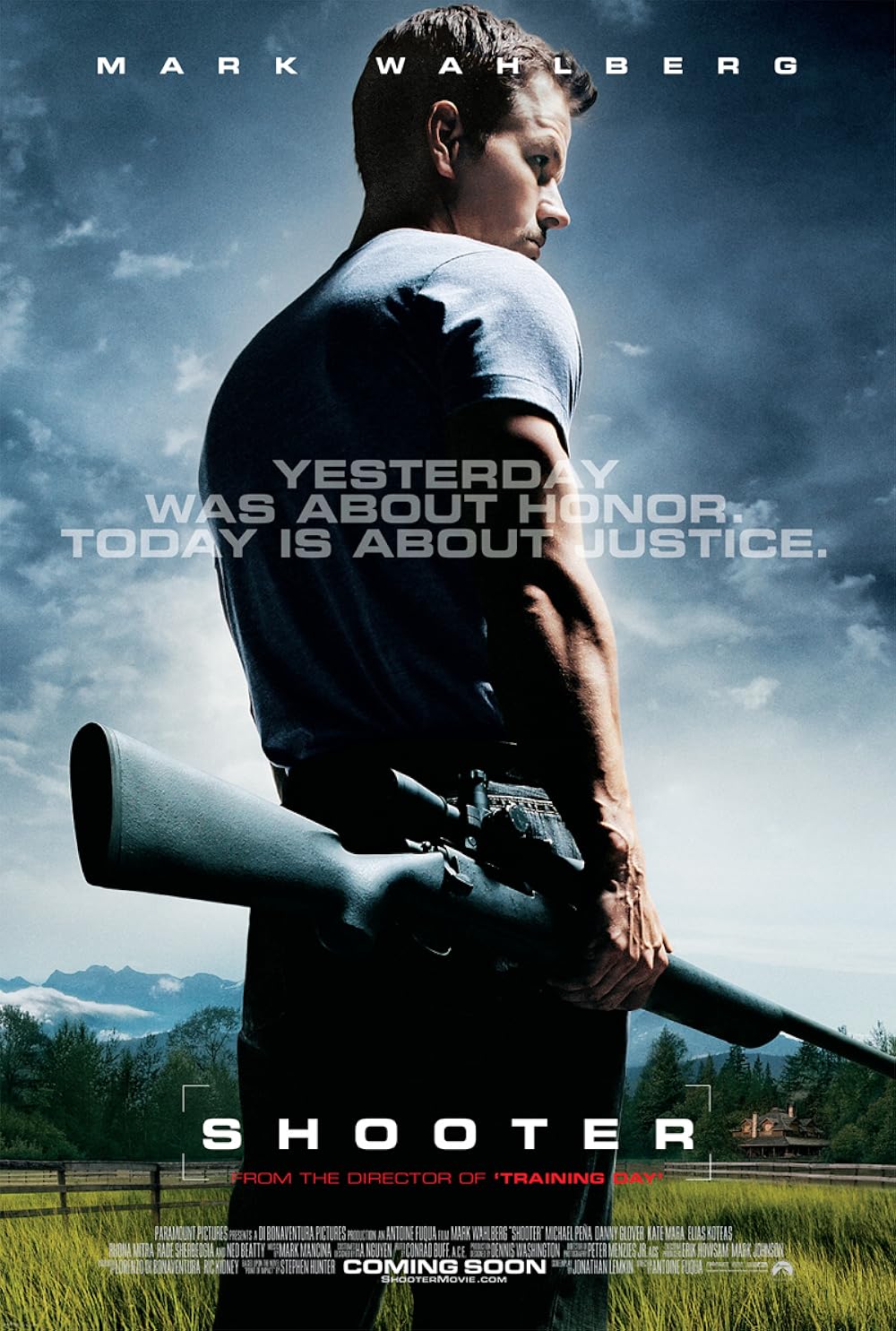
From Elite Sniper to Mountain Recluse: The Price of Going Offline
The life of an elite sniper is one of unparalleled precision, unwavering focus, and immense pressure. These highly specialized individuals operate on the razor's edge, their decisions often carrying the weight of life and death. But what happens when such a dedicated operative, a true apex predator in a world of shadows, is betrayed and abandoned by the very system he swore to protect? For Bob Lee Swagger, the protagonist of the gripping film "Shooter," this question isn't theoretical; it's the bitter reality that forces him into self-imposed exile, essentially making the "shooter geht offline" in the most profound way imaginable. His retreat from the battlefield to a secluded mountain cabin isn't just a change of scenery; it's a desperate attempt to find peace and distance from a world that broke its sacred trust.
The Apex Predator's Fall: Ethiopia's Scorched Earth and a Shattered Trust
The opening scenes of "Shooter" immediately establish Bob Lee Swagger's extraordinary capabilities. High in the desolate Ethiopian hills, Swagger, alongside his loyal spotter Donny Fenn, exemplifies the pinnacle of military marksmanship. Their mission: to provide crucial covering fire for a US convoy navigating treacherous, hostile territory. Swagger's ability to neutralize threats—a driver and a machine gunner—with two surgical, single shots to the head, paints a vivid picture of his skill. He's not just a shooter; he's an instrument of calculated, decisive force, capable of turning the tide of battle with uncanny accuracy.
However, the rapid escalation of the engagement, with a horde of militia descending upon the convoy, quickly turns the tide against them. Swagger systematically eliminates target after target, allowing the US forces to escape, but this heroic act exposes their position. What follows is a brutal lesson in military pragmatism and ultimate betrayal. The commanding officer, prioritizing avoiding detection over the lives of his elite operatives, makes the cold, calculated decision to abandon Swagger and Donny. They are left for dead, stranded under heavy fire.
The ensuing chaos is harrowing. An enemy helicopter strafes their position, and in a devastating moment, Donny Fenn, Swagger's trusted companion and friend, is killed. The emotional impact on Swagger is palpable. His futile initial attempts to retaliate with his sniper rifle give way to a primal fury when he uncovers a Barrett .50 caliber SASR. This powerful weapon, a symbol of ultimate precision and devastating force, allows him to exact immediate, albeit limited, revenge, bringing down the helicopter in a spectacular explosion. But the victory is hollow, overshadowed by the loss of his friend and the crushing weight of betrayal. This pivotal event marks the moment the elite "shooter geht offline," not by choice initially, but by the devastating actions of his own command. It's a wound that will fester, shaping his future and driving him away from the very world he served. To understand the profound impact of this abandonment, one might delve into the broader implications discussed in
Abandoned and Offline: The Price of a Sniper's Service.
When the Scope Goes Dark: Bob Lee Swagger's Exile
Three years later, the once-decorated US Special Forces sniper is unrecognizable. Bob Lee Swagger has vanished, not just from the military, but from society itself. He is a ghost, a private citizen living deep within the secluded embrace of the mountains, a recluse by choice. His appearance reflects his internal state: unshaven, long-haired, a far cry from the impeccably groomed and disciplined operative he once was. His only companion is his loyal dog, a silent confidant, playfully trained to retrieve a cold beer from the fridge – a small, simple pleasure in a life stripped bare.
This self-imposed exile is more than just a lifestyle change; it's a profound statement. It signifies the complete disengagement of a "shooter" who has gone "offline." For Swagger, the mountains represent a sanctuary, a refuge from the deceit and moral compromise of the world he left behind. His choice to become a recluse stems from a complex cocktail of grief over Donny's death, profound disillusionment with the military and government, and perhaps a desperate need for anonymity and peace. He seeks solace in solitude, in the predictable rhythms of nature, a stark contrast to the unpredictable, high-stakes chaos of his former life.
His existence is minimalist. The cabin, a stark symbol of his retreat, provides shelter, but his true home is the vast, untamed wilderness around him. This withdrawal highlights a common, albeit extreme, coping mechanism for individuals who have experienced severe trauma and betrayal in high-stakes professions. When a "shooter geht offline" in this manner, it's often a signal of a deep-seated rejection of the values and institutions that once defined them. Swagger’s story raises questions about the psychological cost of such service and the path to healing, or at least, surviving, after being fundamentally broken. His journey into exile is a powerful exploration of this very theme, further elaborated in
When a Shooter Goes Offline: Bob Lee Swagger's Exile.
Beyond the Crosshairs: The Psychological Landscape of a Recluse
Swagger's transition from an elite sniper to a mountain recluse offers a compelling lens through which to examine the psychological toll of combat and betrayal. His initial retreat, marked by physical neglect and extreme isolation, isn't just about escaping danger; it's about healing, or at least attempting to, from profound trauma. The loss of his partner, coupled with the systemic abandonment by his own country, likely led to a severe form of moral injury and post-traumatic stress.
In the real world, veterans often struggle with similar feelings of disillusionment, guilt, and alienation. While not all choose to become mountain hermits, the desire to withdraw, to disengage from society, or to find a quiet space away from the noise of the world is a common coping mechanism. Swagger's choice to live off the grid, honing his skills for personal survival rather than military application, represents a reclaiming of agency, albeit in a deeply wounded state.
For anyone navigating trauma, especially those from high-stress environments like the military, understanding the appeal and challenges of extreme solitude is crucial.
- The Appeal of Solitude: For individuals like Swagger, solitude can offer a sense of control, an escape from external triggers, and an opportunity for introspection without judgment. It allows for a slower pace of life, reducing the overstimulation that often exacerbates PTSD symptoms.
- The Challenges of Isolation: While offering temporary relief, extreme isolation can also be a double-edged sword. It can lead to deeper depression, exacerbate feelings of loneliness, and prevent access to crucial support systems. Human connection, even in small doses, is vital for long-term psychological well-being.
- Finding Purpose Anew: Even in reclusion, Swagger's innate skills and intellect are evident. He maintains his marksmanship, his tactical awareness, and his ability to analyze complex situations. This highlights the human need for purpose, even when detached from a formal structure. For many veterans, finding a new purpose outside of their military identity is a critical step in their healing journey. This could involve new hobbies, community involvement, or rediscovering civilian skills.
- The Dog as a Companion: Swagger's dog isn't just a pet; it's a vital source of unconditional companionship and comfort. Studies have shown that emotional support animals can significantly aid in reducing stress and anxiety, particularly for those dealing with trauma.
Swagger's initial state of withdrawal, though extreme, speaks to the universal human need to process profound loss and betrayal. His journey reminds us that when a "shooter geht offline," whether by force or by choice, the path back to a semblance of peace is often long, arduous, and deeply personal. It also underscores the importance of support systems and mental health resources for those who have served in high-stress capacities, ensuring that their sacrifice does not lead to complete and utter isolation.
The narrative of Bob Lee Swagger is a poignant exploration of what happens when a highly capable individual, an elite "shooter," is forced "offline" not by retirement, but by the crushing weight of betrayal and loss. His retreat into the mountains is a powerful visual metaphor for the psychological and emotional wounds inflicted by his experiences in Ethiopia. It's a testament to the devastating impact of moral injury and the desperate human need for sanctuary. While his story takes a turn towards retribution, his initial three years as a recluse serve as a stark reminder of the profound cost of war and the critical importance of honoring the trust placed in those who serve at the very edge of human capability. Swagger's exile is a period of raw coping, a desperate attempt to heal wounds that run far deeper than any physical injury, leaving an indelible mark on his soul and forever changing the trajectory of his life.